This article may contain affiliate links. If you buy through them, Sunday Kitchen Stories may earn a small commission at no extra cost to you. Learn more.
Baking bread was one of those things I always thought I’d get around to eventually, like painting a room or organizing my old photos. But then, one rainy Sunday afternoon, I found myself staring at a bag of flour on my counter, and something clicked. I decided to dive in and attempt my very first loaf of bread. I had invited my best friend Jamie over for a cozy afternoon, with the promise of fresh-baked bread wafting through the air. Little did I know, it would turn into a bit of a comedy of errors, but also a rewarding lesson in the kitchen.
The Ingredients: Simple but Mighty
I gathered the usual suspects: all-purpose flour, yeast, water, salt, and a dash of sugar to feed the yeast. In those days, I didn’t have any fancy gadgets, just a mixing bowl, a wooden spoon, and my hands. I remember the moment I opened that bag of flour. The earthy scent hit me, and a part of me felt like I was stepping into the past, connecting with generations of home bakers before me.
As I measured out the flour, I marveled at how something so simple could transform into something warm and comforting. Little did I know that the proportions were key. I mixed everything together, feeling the coolness of the water blend with the dry ingredients, and soon enough, it began to form a shaggy dough.
The Magic of Kneading
This was where the real fun began. Kneading the dough turned out to be a surprisingly therapeutic experience. I floured my countertop, plopped the dough onto it, and began to push and fold. It made a satisfying squelching sound as I worked it, almost like a soft whisper urging me to keep going. I lost myself in the rhythm of it, but I didn’t realize just how important this step was for developing gluten.
After about ten minutes of kneading, my dough transformed from a sticky mass into something smooth and elastic. I could feel the strength building in the dough, and a sense of pride washed over me. But, in my eagerness, I may have skipped the part where I was supposed to let it rise in a warm place. For my first loaf, I was going for “rustic”, which quickly became “underproofed.”
The First Rise (or Lack Thereof)
With my dough shaped into a ball, I placed it in a bowl that I covered with a damp cloth. I expected it to puff up dramatically like a balloon. Instead, it seemed to merely yawn and stretch a bit. I was a little disappointed, but as I preheated the oven, I tried to keep my spirits up. The smell of warm yeast filling the kitchen was intoxicating, like a promise of better things to come.
When I finally shaped my loaf and put it in the oven, I was hopeful. As warmth enveloped the kitchen, I could hear the dough crackling as it baked. I opened the oven door a few times, peeking in like a kid on Christmas morning. The crust started to take on a golden hue, and I could hardly wait to taste it.
The Moment of Truth
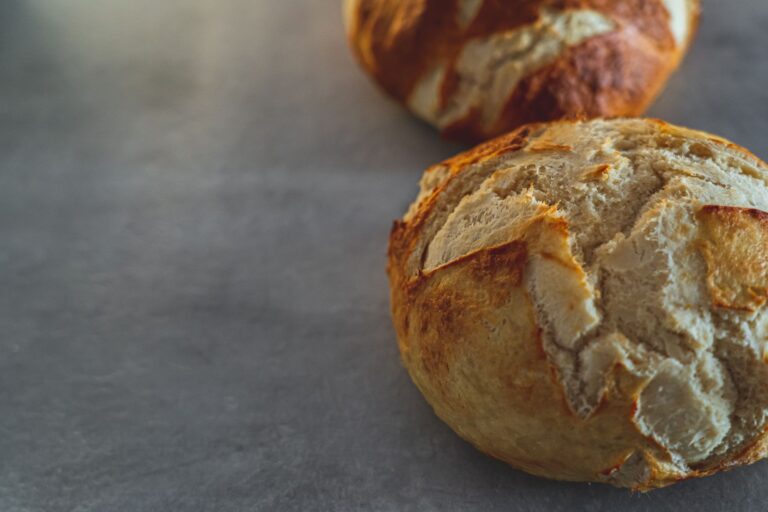
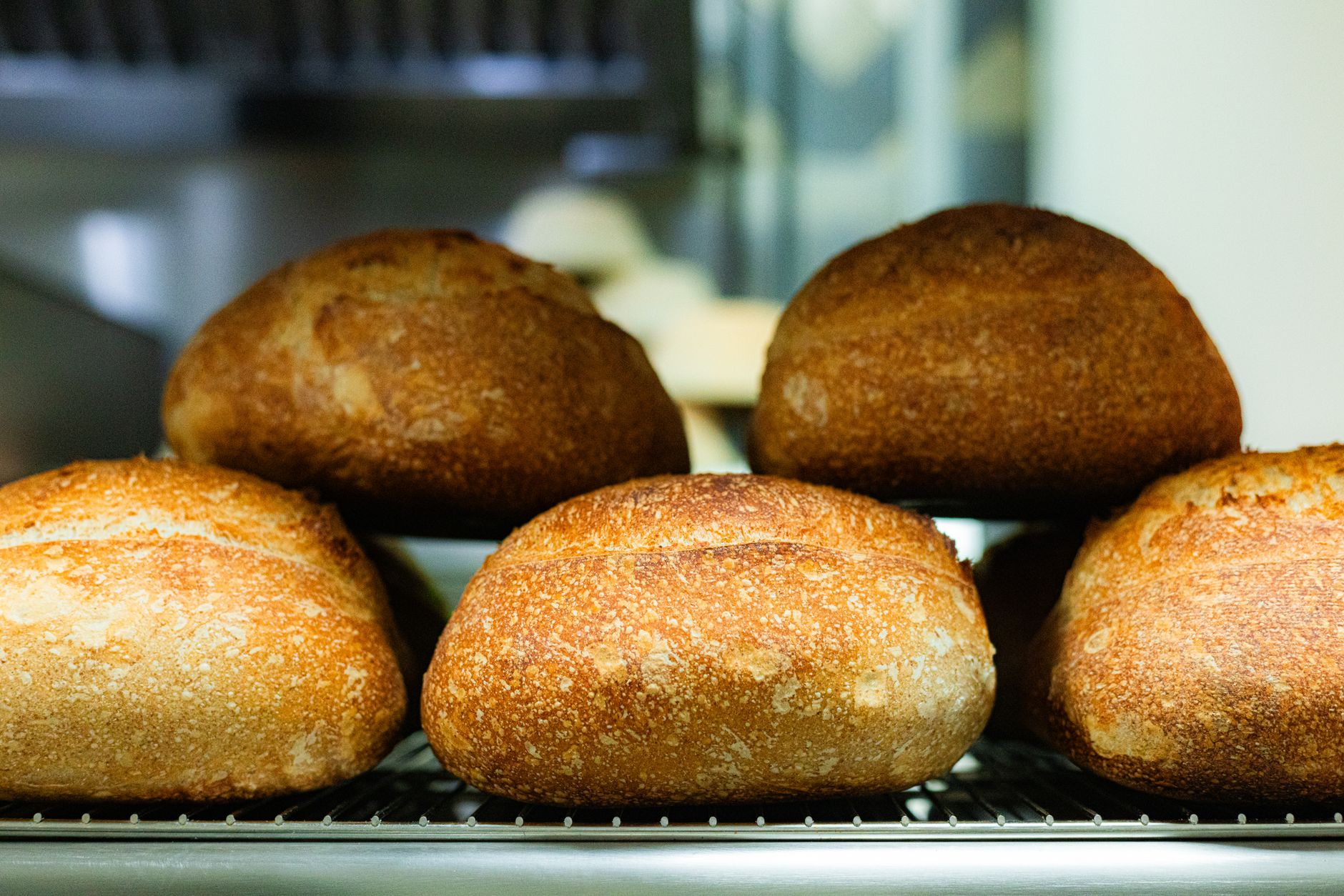
After about 30 minutes, I pulled out my loaf, and it was beautiful, golden brown, with that rustic look I thought I wanted. I let it cool on the counter and could hardly resist the urge to slice into it. When I finally did, the steam poured out, and the aroma of freshly baked bread enveloped me. It was heavenly, but when I took a bite, I was met with a dense, chewy texture. It didn’t have that airy quality I had envisioned. I had underestimated the importance of proofing, I had simply rushed the process.
“Bread is about patience,” my grandmother once said. I suppose she had a point.
Lessons Learned
That first loaf wasn’t a complete failure, though. It had character. There was a certain satisfaction in biting into something I had made with my own two hands, even if it was more like a brick than a cloud. It reminded me that cooking, like life, often doesn’t go according to plan. You learn through mistakes, and each experience adds flavor to your culinary journey.
As Jamie arrived, I welcomed her with the warm loaf, a spread of butter, some homemade jam, and a cup of tea. We settled at my kitchen table, the aroma of freshly baked bread still lingering in the air. We laughed about my lumpy loaf over our tea, relishing the unique experience it brought. Sometimes, it’s the imperfections that make a gathering memorable.
Finding My Bread Journey
That loaf ignited a passion for baking that has only grown over the years. My kitchen has turned into an exploration space, where I’ve tried all sorts of recipes, from fluffy dinner rolls to hearty whole-wheat loaves. Each recipe has taught me something new, whether it’s how to properly develop gluten, the importance of hydrating your dough, or the magic of a good long rise.
Now, as I knead dough and shape loaves, I find joy in the process, knowing that every little mistake is just another step on the path to better bread. I’ve learned that good bread needs time, patience, and a willingness to embrace the journey, however messy it may be.
Tips for Your First Loaf
- Measure your ingredients precisely. A kitchen scale can really help with this, but measuring cups work too. Just be consistent!
- Don’t rush the first rise. Letting your dough rise until it has doubled in size is key to achieving that airy texture.
- Embrace the knead. This step is crucial for developing gluten. Don’t skip it, and enjoy the tactile experience!
- Get to know your oven. Every oven varies, so keep an eye on your bread to avoid overbaking or underbaking.
- Have fun! Baking should be an enjoyable experience, even when things don’t go perfectly. Embrace the process!
So, there you have it. My first loaf of bread taught me more than just how to bake; it taught me to enjoy the journey and find joy in imperfections. Now, I look forward to Sundays in the kitchen, knowing there’s always a new loaf waiting to be baked, memories to be made, and stories to share. So grab that flour, and let’s get baking, because every loaf has a story, and I can’t wait to hear yours!